James Nelson on building people, not just restaurants, in Colorado’s toughest labor markets
Interview by Bryan Welker and Stefan le Roux | For The Aspen Times
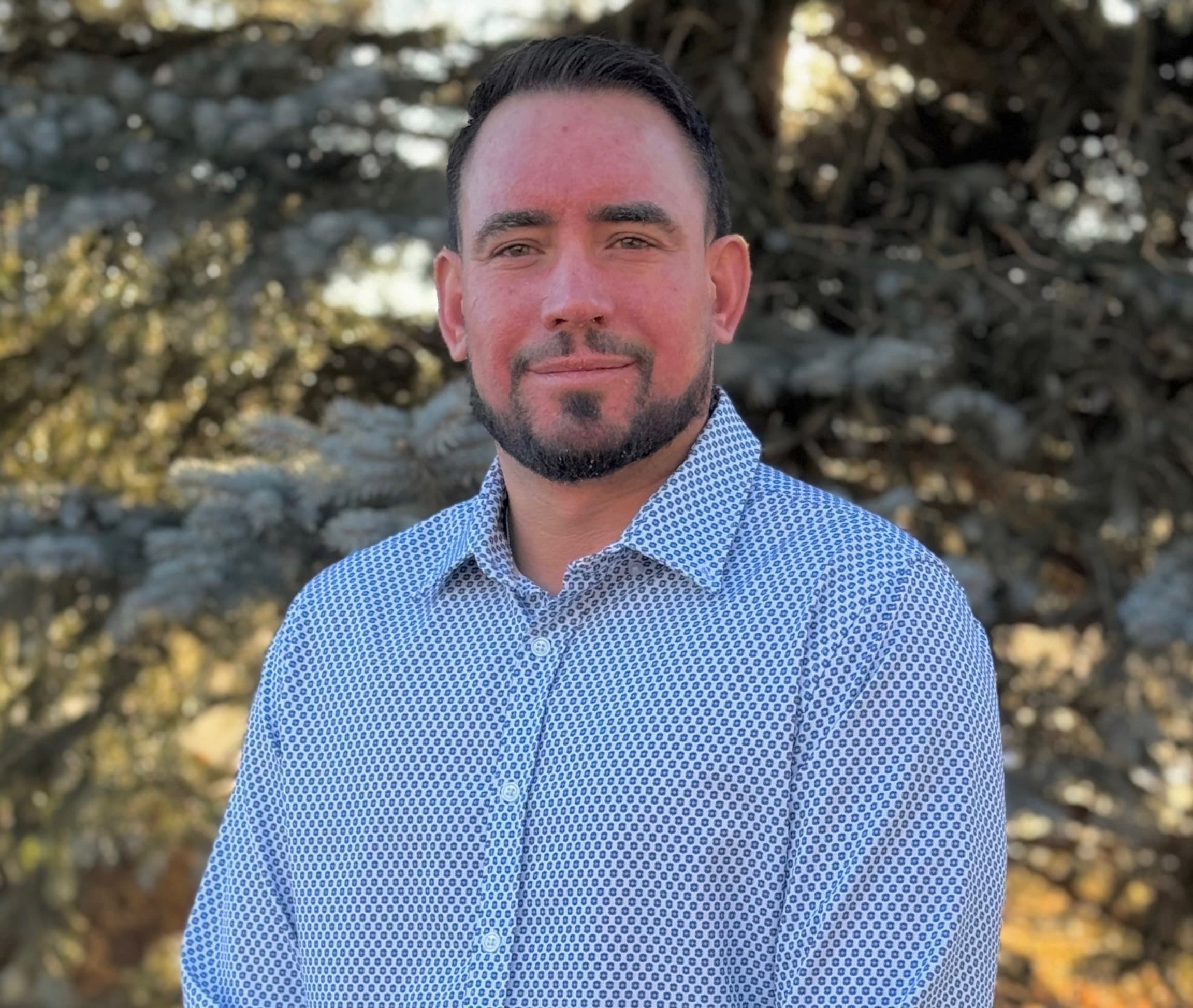
James Nelson is a Colorado-based franchisee owner-operator overseeing 14 McDonald’s across the Western Slope and the state’s mountain towns. He entered the business at 20, following a path laid out by his father, who spent decades building and expanding the family operation across Colorado.
Today, Nelson operates in some of the state’s most competitive resort markets, where labor is scarce, margins are tight, and consistency matters. In this conversation, Nelson shares his thoughts on leadership, workforce development, crisis management, and what it takes to run a people-dependent business at scale—while remaining present for employees, customers, and the communities the stores serve.
Bryan: James, let’s start at the beginning. How did you end up in this business?
James:
I was very blessed. My father started working for McDonald’s when he was 16 years old in Scottsbluff, Nebraska. My grandparents were considering opening a restaurant and thought it would be a good idea to send him off to learn how to run one. He left the family ranch, started working there, and never looked back.
He worked his way up, eventually becoming director of operations for an operator in Wyoming. Later, he bought stores in eastern Colorado and Kansas, turned them around, sold them, and then purchased four locations in the Roaring Fork and surrounding valleys—Aspen, Vail, Glenwood Springs, and Rifle.
Over time, he grew the business to eight stores. I worked for him through high school and college, and during college, I decided to go all in. I put what I had—basically my college fund—into buying two additional stores in Gunnison and Salida. Today, we operate 14 locations, all in Colorado.
Bryan: That’s a big footprint—especially in resort and mountain communities.
James:
It is. Every one of these markets is competitive. Labor is always the biggest challenge. We’re not just competing with restaurants—we’re competing with construction, hospitality, tourism, everything.
To succeed, you have to treat people right. That means fair pay, flexibility, benefits, and genuine respect. Anyone who walks into a store can see when employees are happy—and if they are, someone else is always trying to poach them.
Bryan: For many young people, working at McDonald’s is their first real exposure to the job market. As a franchise owner, how do you think about your role in shaping those early experiences?
James:
Our goal is to be America’s best first job. For many kids—14, 15, 16 years old—this is their first experience with responsibility. They learn how to show up on time, work with others, take feedback, and earn a paycheck. They’re eager, they want to learn, and they’re proud to be there.
A lot of them stay with us through high school, then come back during college. Some of them turn it into a career. We’re very intentional about showing them that this isn’t a dead-end job.
Every month, every store has what we call an advancement opportunity day. Employees can sit down with a supervisor and say, ‘I want to grow.’ From there, we show them what advancement actually looks like—management tracks, leadership roles, and even how this job can help pay for college.
We offer tuition assistance, and a lot of our kids are working their way through CMC, Mesa, Western—colleges all over the Western Slope. When they realize this job can be a stepping stone instead of a placeholder, it changes how they show up.
Bryan: You’ve also lived through some real crises—COVID, supply-chain issues, even a major food safety scare. What did those moments teach you?
James:
Those were sobering moments. The food safety situation, in particular, was terrifying. Overnight, sales dropped 40 to 50 percent. It reminded us that anything can happen—no matter how big or established you are.
What it reinforced for me is that you have to do right by the customer, even when it hurts. That’s the only way you get through something like that.
It also teaches you humility. Giants can fall. Systems can fail. The only thing you really control is how you respond. If you’re transparent, if you take responsibility, and if you put people first, that’s what determines whether you recover.
Bryan: You entered the business at 20. Looking back now, what’s the biggest lesson you’ve learned?
James:
Perseverance. You don’t quit. You solve problems. You keep going.
I grew up hearing my father talk about everything he went through building this business, and then I had to live through my own version of it—COVID, supply shocks, labor shortages. It teaches you that anything can happen.
Another big lesson is that decisions have consequences. As the business grows, those consequences get bigger. You learn that it’s okay to slow down for a moment, think things through, and make the best decision you can—because once you make it, you own it.
Bryan: Running a business like this comes with a lot of pressure. What keeps you grounded?
James:
For a long time, I leaned into meditation, especially when the business was moving fast and things felt noisy. It helped me slow down and get some clarity.
Over time, that evolved into something deeper for me. Prayer became more meaningful. Most mornings, I start by focusing on gratitude—being thankful for my family, the people I work with, and the opportunities I’ve been given. That perspective sets the tone for the day.
Faith isn’t something I feel the need to talk about a lot, but it’s central to how I try to live and lead. When things get stressful or uncertain, prayer gives me perspective and reminds me what I can control and what I can’t. That grounding carries through into how I show up for my team.
Bryan: What advice would you give your 20-year-old self?
James:
The two most important decisions you’ll ever make are your faith and your spouse. Who you choose to build a life with will shape everything else—more than any business decision ever will.
Marriage is hard. Life is hard. But choosing someone who doesn’t quit—that changes everything.
Bryan: What’s next?
James:
Twenty stores is the goal. All in Colorado.
But growth isn’t just about numbers. It’s about staying present. As we get bigger, it gets harder to be in every store and be visible to our people—but that presence still matters.
When there’s a problem, especially in tough conditions or bad weather, you show up. That’s leadership. Our supervisors and directors do an incredible job of being in the stores every day, and that allows us to grow without losing our culture.
Bryan: Final question—what keeps you going?
James:
Responsibility. When you’re responsible for hundreds of employees and their families, you take that seriously. You show up. You figure it out. You don’t quit.
In an era where scale often replaces stewardship, James Nelson’s story is a reminder that even the most familiar brands are still run by people—local operators making daily decisions that affect real lives. In Colorado’s hardest markets, leadership isn’t about slogans. It’s about consistency, care, and the willingness to keep going when it would be easier not to.
Bryan Welker lives and breathes business and marketing in the Roaring Fork Valley and beyond. He is President, Co-founder, and CRO of WDR Aspen, a boutique marketing agency that develops tailored marketing solutions. Who should we interview next? Reach out and let us know bryan@wdraspen.com