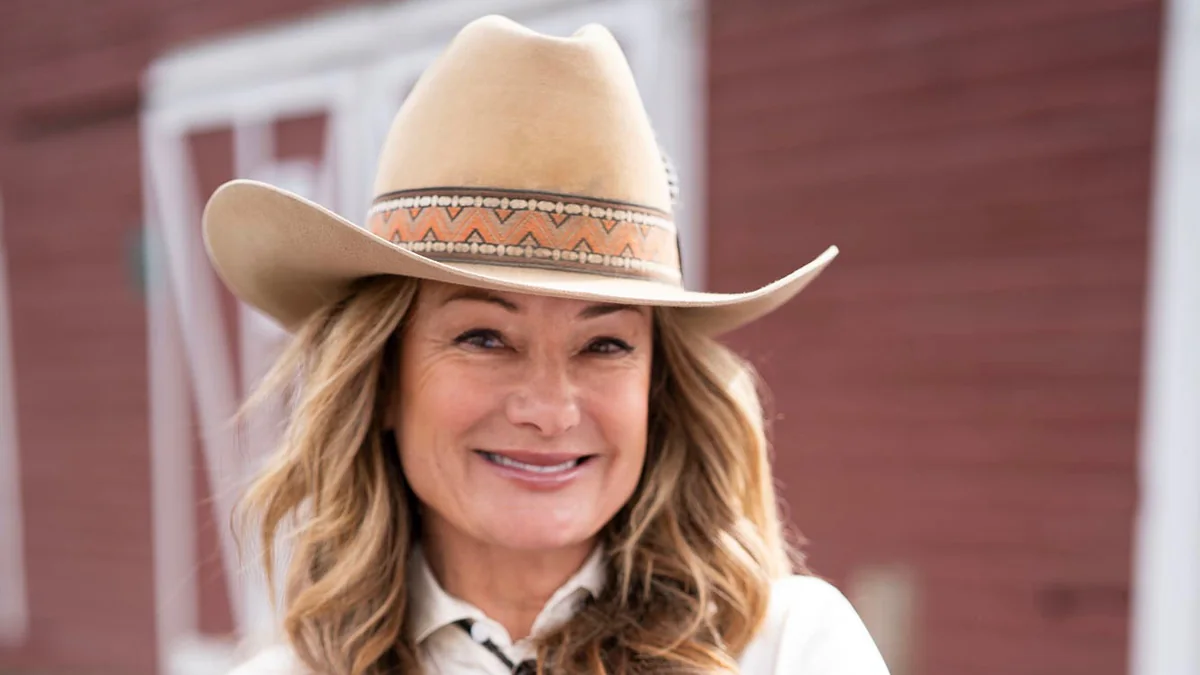
Chantal “Charlie” Henderson on rebuilding in Aspen, finding solace in the saddle, and recording the stories of a changing valley.
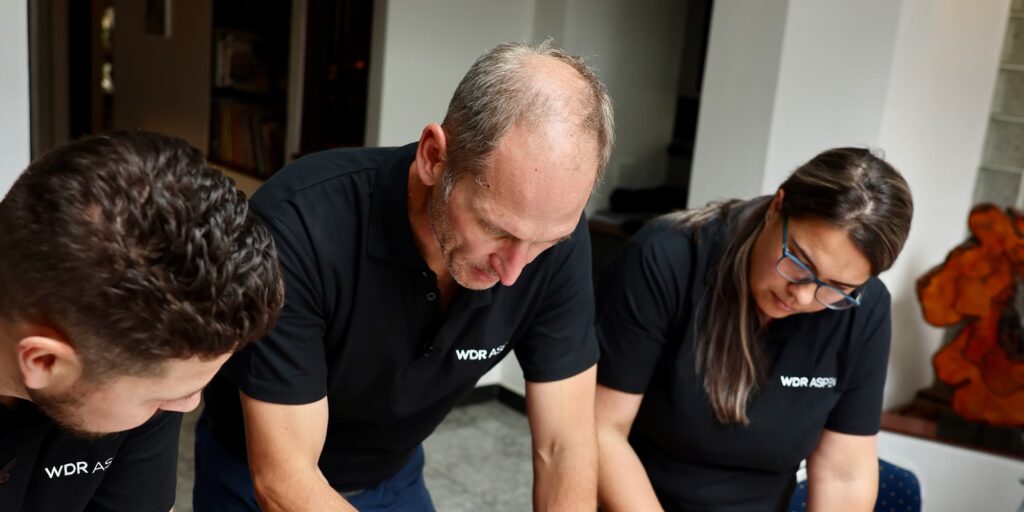
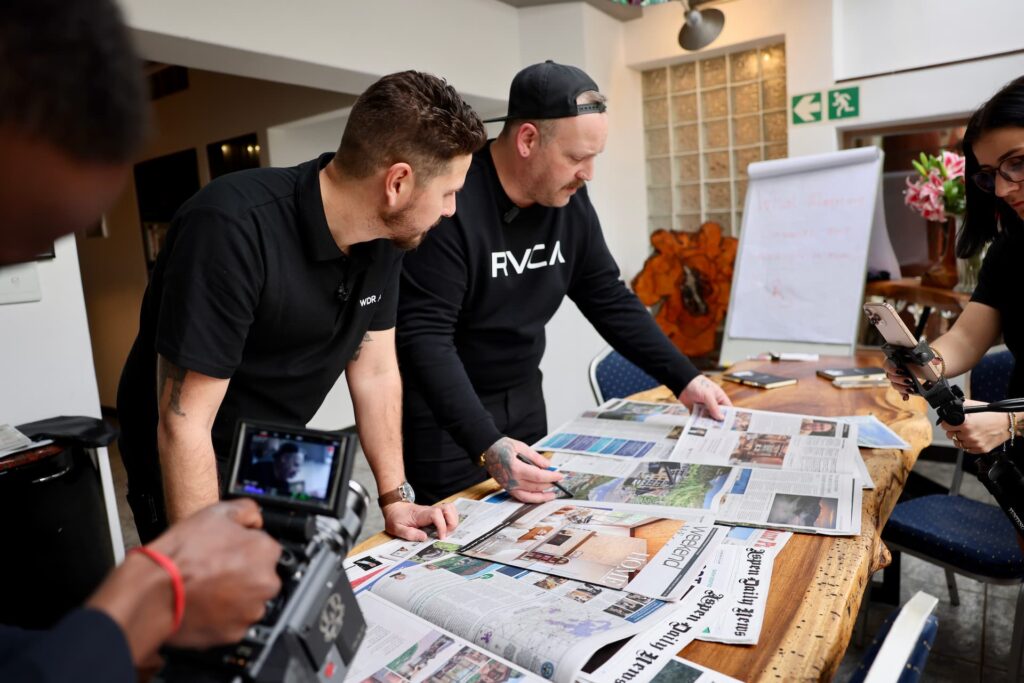
Interview by Bryan Welker and Stefan le Roux | For The Aspen Times
Building a life in Aspen often requires a willingness to begin again. For Chantal “Charlie” Henderson, each reinvention, from concierge founder and real estate broker to author and podcast host, has grown from the same attachment to the people and land of the Roaring Fork Valley.
The South African-born equestrian moved to Aspen in 2014 and found community within the valley’s ranching culture. Her podcast, She Brands the Land: Where Land Meets Legacy, records the people and traditions shaping the modern West.
Bryan: Tell us your Aspen story. How did you get here?
Charlie:
I came here in the early 2000s to ski, and I really wanted to stay, but we had to go back to New York.
I always had it in my mind that I wanted to be here. The ground is very similar to South Africa, and I am an African child. It took me another 14 years before I came back for good in 2014.
Bryan: What did you do when you first got here?
Charlie:
Firstly, I rode a lot. I shipped my hunter-jumper horse from the East Coast, and immersed myself in the ranching community. It resonates so much with me now because when I came, I was a hunter-jumper, and I then ended up embracing the whole Western riding group philosophy. I had a great group of women that I rode with.
And then my world fell apart. My husband and I divorced. He disappeared, but this was my home and my community now.
Bryan: What was your first business here?
Charlie:
I started the Aspen Luxury Concierge. Steven Shane, who is one of the most successful brokers in Aspen, asked me if I knew anything about fashion. I said yes. I went to the Fashion Institute of Technology and I designed my own lines. He was like, “Great. Can you work for my client Tommy Hilfiger?” And then he gave me Heidi Klum and then Tommy asked me to take care of his good friends, Kris Jenner and Tommy Mottola.
All of a sudden my little business exploded, and I was working for the stars.
Bryan: Where is that business now?
I sold it to a local, Rachel Naidus. She’s really run with it. They represent a lot of big business in Aspen.
Bryan: And then real estate? How has that been?
Charlie:
I love certain aspects of real estate, but there are parts I’m just not wired for—I’m not a huge numbers person, I don’t love spreadsheets.
My strength is really the creative side, staging, and the people side of the business. That’s where I come alive. And that’s why Mark Lewis and I work so well together. He’s been in the business for over 30 years—he’s basically an encyclopedia. Everybody goes to Mark for advice.
I was at Coldwell Banker when we first started working around each other, and at one point we couldn’t even really be in the same room because we were with competing agencies. Then I moved over to Sotheby’s, and it just gradually evolved from there.
In the last couple of years, it’s really become a true team. I’ve naturally taken more of a background role while pursuing my creative endeavors, and Mark is more in the foreground, which works perfectly for both of us.
Bryan: How did your book Cowgirl Poetry come about?
Charlie:
Writing the book was a very organic experience. It was a gift from God, to be honest. I had been writing poetry casually but once I engaged with a publisher, it came together within three months. My dad had died, and I found so much solace in my horse and the ranch. It was a journey of grief.
I wrote most of the poems on Sopris Mountain Ranch. I would sit with the horse herd, listen to the guys loading cattle, or sit on my horse with a red-tailed hawk squawking above me.
This land inspired it 100%.
Bryan: How did the podcast grow from the book?
Charlie:
After the book came out, everybody asked whether I wanted to write another one. I do not think something that organic can be replicated, but I knew there was a second life to it.
My friend Ashlyne Blue, a sound editor, offered to help small businesses create podcasts. I thought, “That is it.”
My podcast, She Brands the Land, started with women in ranching, but I soon realized it could not be only women-focused. The idea is to capture the stories of people who came before us and those who are here now. It is also about change, for better and worse. There is grief in change, but opportunity, too.
Bryan: What have you learned from interviewing people?
Charlie:
You cannot plan where the conversations will go. There are no set questions. They need to be organic, and there is magic in where they go.
The first interviews were scary, but I am not doubting myself as much anymore. I love doing it.
Bryan: What advice would you give a young woman trying to make it in the valley?
Charlie:
It’s a tough environment here now. Everything is all about influencers and outward appearances, and not substance.
I would say, find a good mentor. That’s what we try to provide at the Snowmass Rodeo.
Kids come to volunteer at the Rodeo to get scholarships. It’s not an office job. It’s gritty work, you know. It’s dusty, and they’re doing the petting zoo and the chicken poop bingo. It creates character and respect because it is grounded in the Western Heritage.
Henderson’s ventures may take different forms, but each has been built around the same instinct: to remain connected to the land and help sustain the community that once helped her begin again.
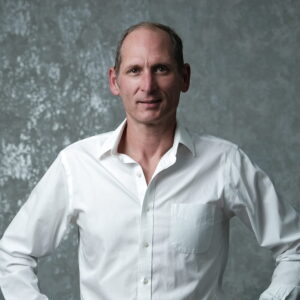
Bryan Welker lives and breathes business and marketing in the Roaring Fork Valley and beyond. He is President, Co-founder, and CRO of WDR Aspen, a boutique marketing agency that develops tailored marketing solutions. Who should we interview next? Reach out and let us know bryan@wdraspen.com