Counselor Nathalye Balistrire on immigration, mental health, and building dignity into daily life
Interview by Bryan Welker and Stefan le Roux | For The Aspen Times
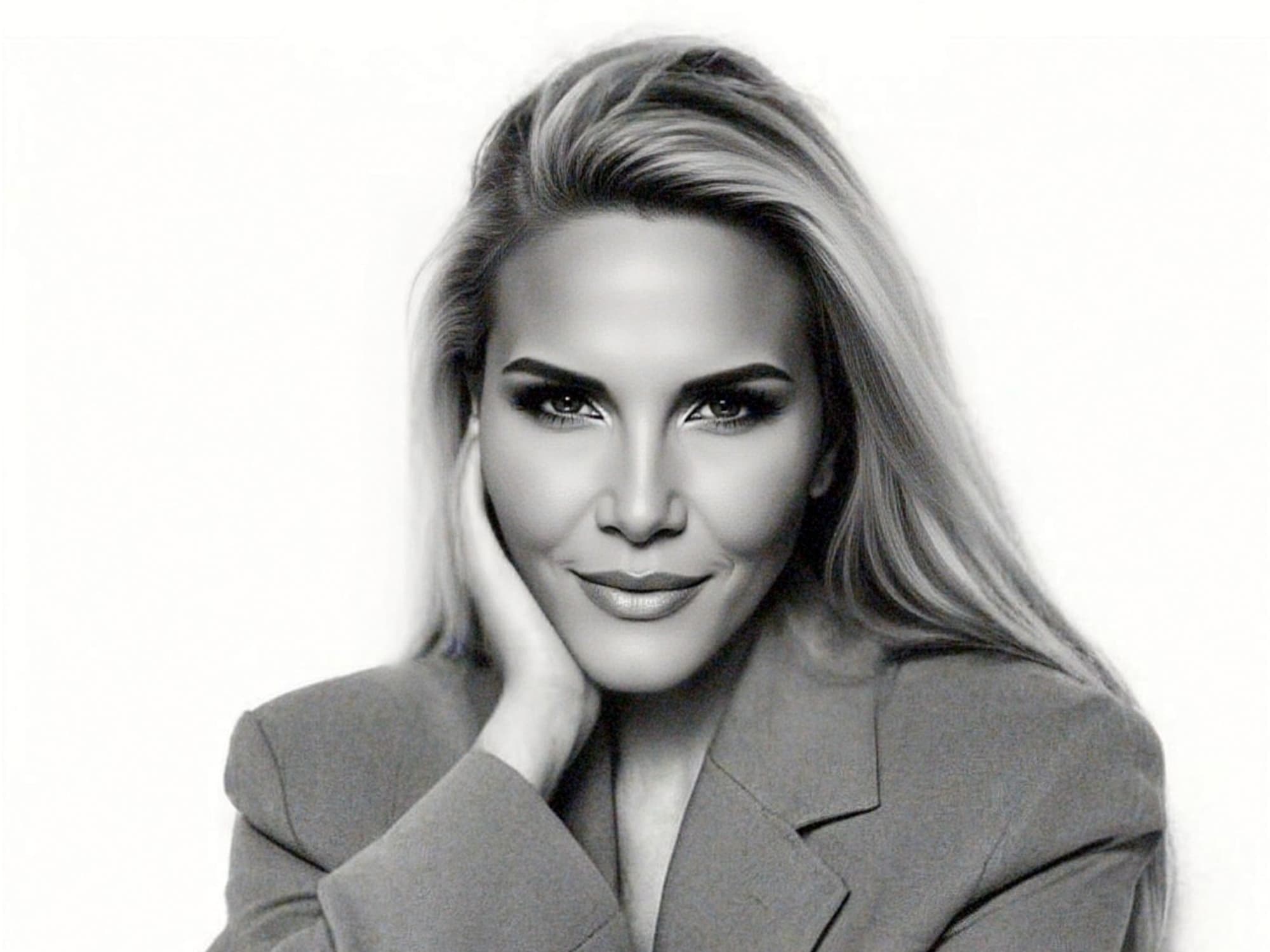
Nathalye Balistrire is a licensed professional counselor working with children, families, and individuals across Central Colorado. Bilingual and bicultural, she specializes in supporting neurodivergent clients and those navigating depression, anxiety, and complex mental health challenges—often in environments where traditional therapy models fall short. Her work sits at the intersection of mental health, education, and dignity, shaped as much by lived experience as by clinical training.
Bryan: Before we get into your work, can you share a bit about your early life and the path that led you into counseling?
Balistrire:
I was born in Venezuela. The culture I grew up in was very structured—women followed direction, and independence wasn’t something you imagined for yourself. Decisions were often made for you, especially by men in the family. I always knew I wanted to work with people, but I didn’t yet understand what independence could look like.
When I immigrated to the United States, that changed everything. I saw women owning homes, building careers, and making choices for themselves. That freedom had a huge impact on me. I already had a background in business, but I became deeply interested in psychology—how the brain works, how behavior forms, how people survive.
This country gave me access to education, even in a second language. I earned my master’s degree in English. It wasn’t easy. I didn’t have the tools people have now, and language was always a barrier. I didn’t graduate with a perfect GPA, but I graduated. That experience taught me that grit matters more than perfection.
Bryan: How did that experience—immigration, education, learning independence—shape the kind of counselor you became?
Balistrire:
It made me very aware of access and inequality. Education gave me choices, and I don’t take that lightly. I became focused on working with children and families who don’t have the same access or who are dealing with barriers that most people never see—disability, language, stigma, mental illness.
My work is about equitable opportunity. Not everyone starts in the same place, and mental health care has to reflect that reality.
Bryan: What does your work actually look like day to day?
Balistrire:
I work with very complex cases. Over time, I noticed something surprising—almost 70 percent of my therapeutic work involved hygiene. Not emotions in the abstract, but hygiene as a daily barrier for people with mental illness, neurodivergent individuals, or people with depression and anxiety.
I had a client who was 11 years old and hadn’t taken a shower for an entire year. When I started researching this more deeply, I learned that hygiene is a human right. When someone can’t maintain it because of how their brain works, we’re failing them.
Bryan: Most people wouldn’t connect mental health and hygiene. How does that show up inside families?
Balistrire:
For many families, hygiene is a constant battle. With autistic children, ADHD clients, or neurodivergent individuals, sensory issues are huge. Water temperature, noise, the feeling on the skin—those things can be overwhelming. Even opening the shower handle can feel frightening.
Then you add depression, where people don’t have the energy, or anxiety and OCD, where showering can feel unbearable. Families end up in power struggles. Society tells us showers are relaxing and easy, but that’s not true for everyone.
Bryan: How do you personally carry that level of emotional weight without burning out?
Balistrire:
Training and boundaries saved me. When I was studying psychology, I wanted to save everyone. During my internship, my mentor stopped me and told me, “You can’t be a superhero. If you work harder than your client, you’ll burn out and help no one.”
One rule in our profession is never work harder than your client. Another is that if someone is drowning, you don’t jump in and drown with them—you throw a lifesaver. My job is to give tools, not carry people’s lives on my shoulders.
Bryan: At some point, your clinical work led to creating a product. How did that happen?
Balistrire:
I was running workshops for autistic teens, especially girls, teaching basic self-care skills. One day, I realized none of them had showered. Every single one. Their parents confirmed it.
That night, I went to sleep and woke up knowing something had to exist to accommodate this. Hygiene needed a different approach—something that respected how the brain works instead of fighting it. Many of the people I work with struggle with water itself: the noise, the temperature changes, the sensation on their skin, or even the mechanics of turning a handle without fear of getting burned. Others don’t have the energy to shower or feel overwhelmed by products that leave residue, bubbles, or a sticky feeling.
What I created is a water-optional body cleanser designed specifically for these situations. It can be pumped onto a towel or cloth, requires little or no water, and doesn’t foam or cling to the skin. The idea is to reduce the number of steps involved and remove sensory triggers, so people can stay clean in a way that feels manageable rather than overwhelming—without turning hygiene into another daily battle.
Bryan: Walk me through how that works in real life.
Balistrire:
I’ll give you a real example. I have a 15-year-old client who couldn’t shower because she didn’t know how to manage the water controls and was terrified of burning herself. Instead of forcing the shower, I taught her a simple process: pump the product onto a towel, add a little water, wipe the body, and you’re done.
Over time, something shifted. She started showering weekly instead of once every two weeks. She became more independent. Her mother felt relief. We removed barriers—noise, temperature, fear—and replaced conflict with dignity.
Bryan: Living in Aspen, mental health is impossible to ignore. Why do you think places like this struggle so much?
Balistrire:
I don’t have specific data for Aspen, but my intuition tells me environment matters. Humans respond to where they live—pressure, comparison, isolation. Mental illness doesn’t care how beautiful a place is. Sometimes there’s a toll we pay emotionally, even in places that look perfect from the outside.
Bryan: How do you see social media affecting mental health, especially for young people?
Balistrire:
Technology is powerful. It can heal or harm. Social media creates communities, but not all of them are healthy. Some reinforce destructive behaviors. Others provide visibility and support.
Traditional therapy models haven’t kept up with how people communicate now. Mental health has to adapt. Social media is storytelling. If we want change, we have to meet people where they are.
Bryan: What advice would you give to young women entering the business world today?
Balistrire:
Be ambitious. We’ve been taught that ambition is negative, but ambition moves the world. If you want something, go for it. I invested my own capital into my work. I didn’t wait for permission.
Bryan: And for someone suffering from depression?
Balistrire:
Depression isn’t weakness—it’s illness. Sometimes it’s temporary because feeling sad is part of being human, but sometimes it’s a disease that eats away at you. When it becomes an illness, it’s not who you are. Your brain is an organ, like any other, and it can get sick.
Treatment matters. Effort matters. Even a small effort—standing up, walking for one minute—helps restore power. Depression wants you in bed. Conscious effort pulls you back into life.
Bryan: What’s the bigger vision behind all of this?
Balistrire:
I want mental health to be visible. I want it out of offices and whispered conversations. I want people to see it acknowledged and accommodated in everyday life.
A portion of each product supports nonprofit efforts to provide hygiene access to displaced communities and people in war zones. Dignity should never be optional.
As an immigrant who arrived in the United States carrying both ambition and constraint, Nathalye Balistrire has spent her life unlearning the limits placed on her by tradition, language, and gender. In choosing education, independence, and self-determination, she reshaped not only her own future but those of countless individuals through her clinical practice.
Her approach reminds us that care doesn’t always begin with conversation alone—it often begins with meeting people where they are, and giving them back a sense of agency, one ordinary moment at a time. What emerges from her work is a vision of mental health grounded in dignity and practicality.
Bryan Welker lives and breathes business and marketing in the Roaring Fork Valley and beyond. He is President, Co-founder, and CRO of WDR Aspen, a boutique marketing agency that develops tailored marketing solutions. Who should we interview next? Reach out and let us know bryan@wdraspen.com