Kaila Kuhn on the Price of Pursuing Olympic Gold
Two-time World Champion aerialist Kaila Kuhn opens up about the unseen cost of chasing Olympic dreams and what it really takes to represent Team USA without a safety net.
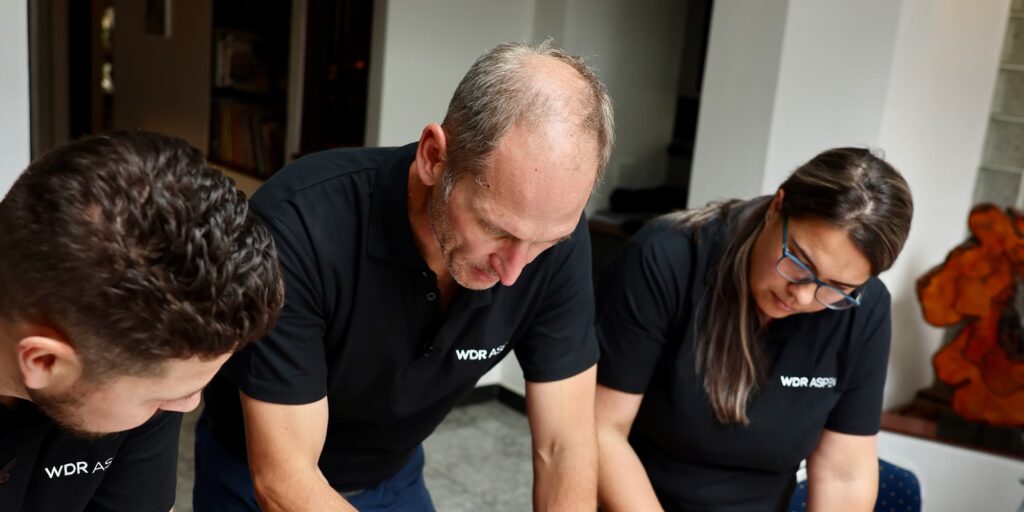
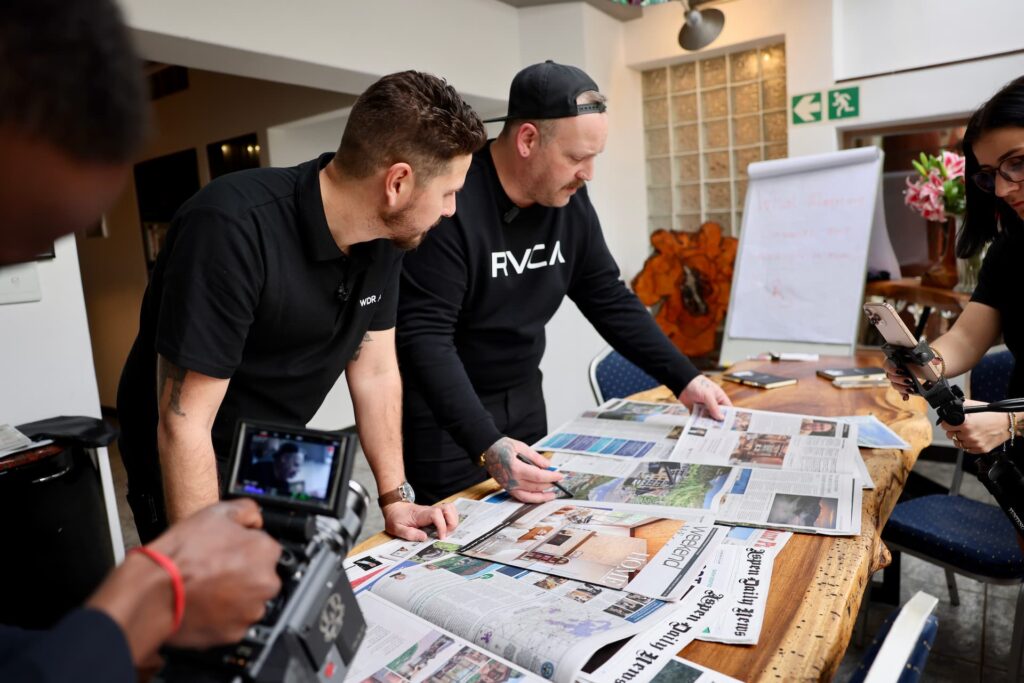
Interview by Bryan Welker and Stefan le Roux | For The Aspen Times
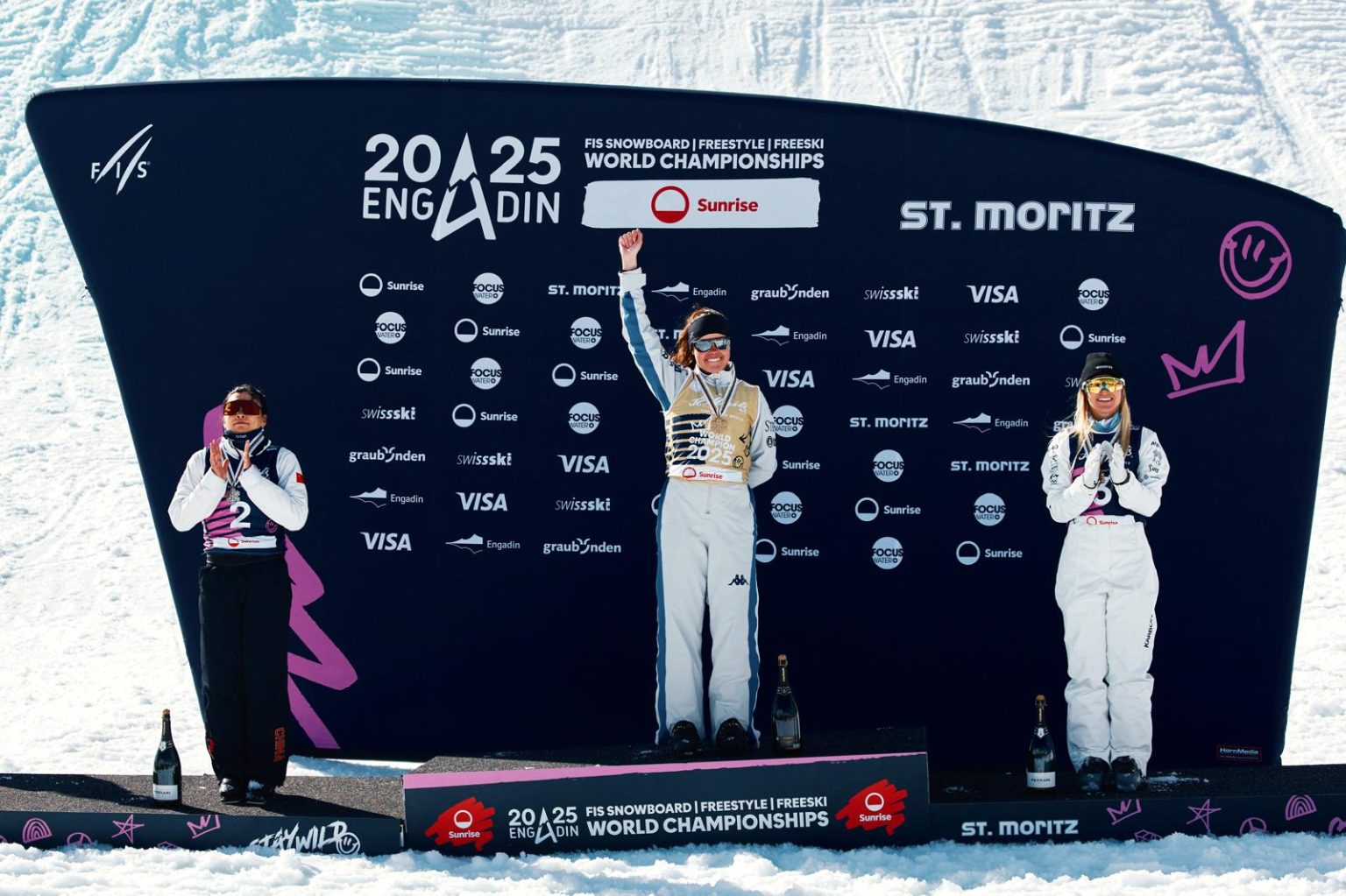
Few names in American freestyle skiing shine as brightly as Kaila Kuhn. At just 22, the Michigan-born aerialist has already made history by winning two gold medals at the 2025 FIS Freestyle Ski World Championships, the first aerials athlete ever to do so in a single event. She’s fearless, focused, and fiercely disciplined.
Her grandmother, Arleen Kuhn Ginn, a longtime Aspen Realtor, ski instructor, and community leader, has spent over three decades shaping life in the Roaring Fork Valley—from teaching on the slopes to serving as President of the Aspen Board of Realtors. It’s from this same spirit of drive and resilience that Kaila draws her inspiration.
Yet even with that legacy, she faces the stark reality of how little financial support America’s Olympic hopefuls actually receive. Despite being at the very top of her sport, Kuhn still pays out of pocket for much of her training, equipment, and travel—all while juggling sponsorships, studies, and the relentless pursuit of perfection.
In this conversation, Kuhn reflects on her roots, her journey from gymnast to aerialist, and the staggering financial reality of being an Olympic athlete in the United States.
Q: You’ve got strong Aspen ties. Tell me about your connection to the valley.
Kaila:
My grandmother has lived and worked in Aspen for more than 30 years. She’s in real estate, and growing up, we’d visit every year. It became a second home for me. I learned to ski at Snowmass—that’s still my favorite mountain—and I remember being blown away by how big it was. Michigan skiing didn’t feel quite the same after that.
Q: Did you grow up dreaming of being a professional skier?
Kaila:
Not at first. I actually started as a gymnast when I was four or five and competed until I was about 12. I was also ski racing, and through a mutual friend, I met one of my now teammates, who told me to try aerials.
I did a camp at 12, and a year later, a recruiter from Lake Placid called, inviting me to their development program. I didn’t even realize I was trying out for a team—and suddenly I’d made it. I moved into the Olympic Training Center at 13.
Q: Thirteen is incredibly young to move away from home. What was that like for you and your family?
Kaila:
It was scary for everyone. I remember thinking about all the normal stuff I’d miss—high school, football games, dances, friends. But my parents told me, “If this is what you want, we’ll support you. If it ever stops making you happy, you can always come home.” That took so much pressure off. I never had to perform for their approval—I could chase the dream because I wanted it, not because I was afraid of disappointing them.
Q: Your parents sound like remarkable people. Were they athletes, too?
Kaila: My dad was a collegiate ski racer and captain of his team at UNH. He taught me how to work hard and coached me in racing before I switched to aerials. My mom’s a physical therapist, so she understands the body side of training. Between the two of them, I got a pretty good blueprint for discipline and resilience.
Q: Let’s talk about something that most people don’t know about—the financial side of being an Olympian. What does that really look like?
Kaila:
Honestly? It’s tough. In the U.S., Olympic athletes don’t receive government funding the way they do in many other countries. Our team has to raise millions every year just to operate, and then each individual discipline has to fundraise separately. On top of that, we athletes are responsible for our own equipment, food, and often travel, too.
My skis cost about $1,500 a pair, and I go through four pairs a year. That doesn’t include boots, bindings, helmets, goggles—any of it. Unless you have major sponsors or wealthy parents, you’re constantly trying to make the math work while training full-time.
Q: That’s wild. So how do you make it work?
Kaila:
I’ve got a few personal sponsors who’ve been incredible—namely Boyne Mountain Resorts and the Klug Foundation—they’ve helped keep me afloat. I’m also represented by an agency now, which helps me find sponsorships.
Prize money from competitions goes straight back into training. Right now, I’m taking a semester off from the University of Utah to focus on building my presence ahead of the Olympics—because, in this sport, visibility can literally pay your rent.
Q: How does it feel to carry that financial weight on top of everything else?
Kaila: It’s stressful. Most people assume Olympians are well taken care of, but that’s not always the case. There have been months when I wasn’t sure how I’d pay rent. I mean, I’m pretty sure if Tom Brady were worried about rent, it would have affected his performance.
We’re expected to bring home medals, but we’re also working side gigs, fundraising, or running our own social media just to stay in the game. So finding a really solid circle that is able to help me carry out my dream is a top priority at the moment.
Q: What keeps you up at night?
Kaila:
Right now, obviously, the Olympics are the biggest thing on my mind; being healthy, and just making it there. But I definitely find myself thinking about the Olympics every night before I go to sleep, and it gets my heart going. But not in a freaking out way, it’s an excited feeling.
So, as far as the sport goes, that is the biggest thing, but finances are still definitely the thing I worry about the most.
Q: What’s your focus now as you prepare for the next Olympics?
Kaila:
My main focus right now is to recover from a few fractures I suffered in my foot, but the overall goal for the time being is strength, getting as fit as possible, and preventing any new injuries.
I’ll be training in Australia next, then start the World Cup circuit in Finland. Those competitions double as Olympic qualifiers, so the earlier I can secure a spot, the less stress I’ll have heading into February. The main goal right now is to stay healthy, strong, and mentally sharp.
Q: Competing at that level also means your biggest rivals are sometimes your teammates. How do you balance friendship with competition within the U.S. Aerials team?
Kaila: It’s definitely tricky, especially in an Olympic year when everyone’s fighting for limited spots. We train together, travel together, and push each other—but we also all want to win. The key is separating the friendship from the rivalry. You can be frustrated about your own performance while still being happy for a teammate’s success. It’s a balance of good sportsmanship and self-drive, and that mutual respect keeps our team strong.
Q: You mentioned the mental side. How do you keep your focus under that kind of pressure?
Kaila:
The mental side is everything. I work with a sports psychologist every week. At the top of the ramp, I use breathing and visualization techniques to calm myself. I trust my training and my coaches, and when the moment comes, you just have to send it.
There’s fear, sure, but the second you start your run, everything goes quiet. It’s total focus—just you and the jump.
Q: Do you have any pre-jump rituals or superstitions?
Kaila:
(laughs) Not too many. If I have a great competition in a certain pair of socks, I might keep wearing them—but they get washed, I promise! Music helps a lot. One of my pump-up songs from last season actually started playing during my World Championship finals run, and I took that as a sign.
Q: You’ve already made history with two golds at Worlds. What does a podium at the Olympics mean to you now?
Kaila:
It’s everything I’ve worked for—but I don’t think I’ll ever be satisfied. Winning would be a dream come true, of course, but it’s about knowing I gave it absolutely everything. And if I do end up on that podium, I’ll already be thinking about the next one. That’s just how I’m wired.
Q: What do you hope comes after all this—when the medals stop, and the next chapter begins?
Kaila:
I’d love to help younger athletes navigate this system. So many of us struggle because we don’t know where to find the right resources or people. I want to mentor others, especially women, so they can chase their goals without being crushed by the financial side. And I want to stay involved in business and sport, bridging those worlds in a way that makes life easier for the next generation.
Q: And what would you tell the young girl reading this who dreams of following in your footsteps?
Kaila:
I’d tell her that I was that girl once—staring at the TV thinking Olympians were superhuman. But we’re just people who work really, really hard. If you have a dream, chase it. Believe that it’s possible, because it is. Nothing is out of reach.
Q: Your grandmother is quite a prominent figure in The Valley. How has she inspired you?
Kaila:
She’s amazing. I call her Grande with an ‘e’ at the end like Ariana Grande because she refuses to be called Grandma—says it makes her sound old. She’s ageless, still teaching skiing, still working in real estate, still connecting people. Beyond that, she’s built a life of service here—from helping raise funds for Valley View Hospital to founding a nonprofit called Music and Memory, which provides seniors in memory care with iPods and headphones so they can reconnect with the music that once shaped their lives.
She calls me every week with a new introduction or opportunity. She’s one of the hardest-working people I know, and I’d like to think I get a little of that from her.
Q: Do you have a go-to ritual or favorite first day routine when you arrive back in Aspen?
Kaila:
Wake up with a cup of coffee, say hello to Mount Sopris, and head for a hike around Mushroom Rock or go skiing. When I was a kid, the only reason I went skiing was that my parents would let me have hot chocolate afterward. Clearly, that positive reinforcement paid off!
Q: One last thing, where can people follow you on your way to bringing back gold for the USA?
Kaila:
You can follow me on my Instagram at @kaila_m_kuhn and on my official Facebook page!
Kaila Kuhn’s story is one of extraordinary talent matched by extraordinary grit, a reminder that even the most decorated athletes often fight their biggest battles off the podium. As Aspen prepares to cheer on one of its own this Olympic season, perhaps it’s time to ask how we can do more than just applaud from the sidelines.
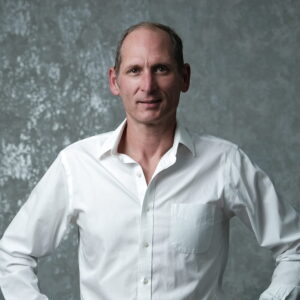
Bryan Welker lives and breathes business and marketing in the Roaring Fork Valley and beyond. He is President, Co-founder, and CRO of WDR Aspen, a boutique marketing agency that develops tailored marketing solutions. Who should we interview next? Reach out and let us know bryan@wdraspen.com