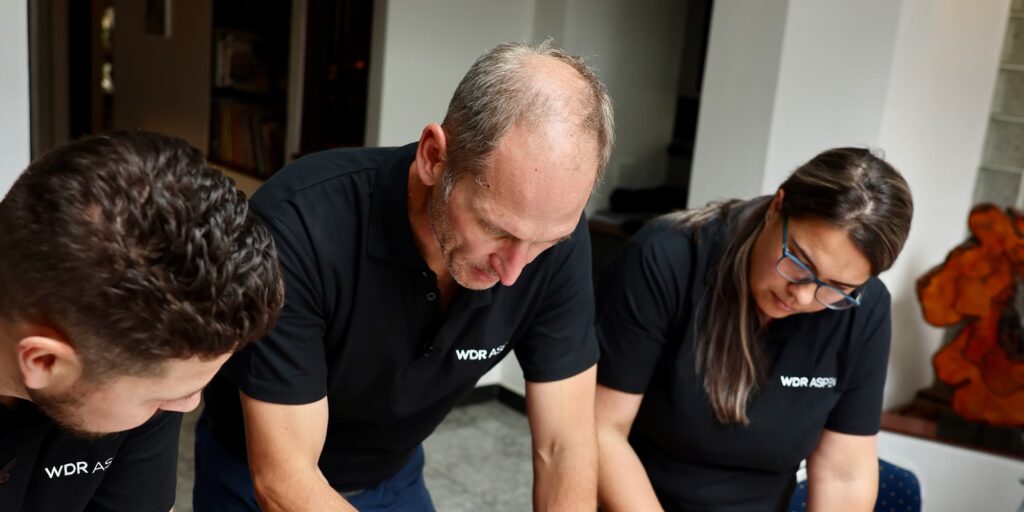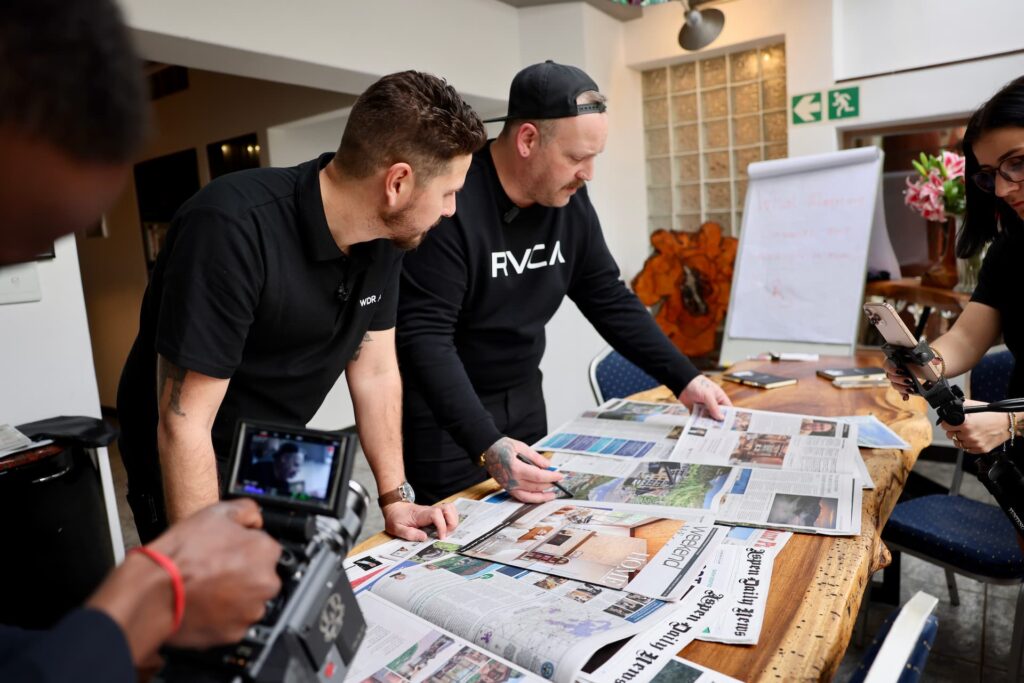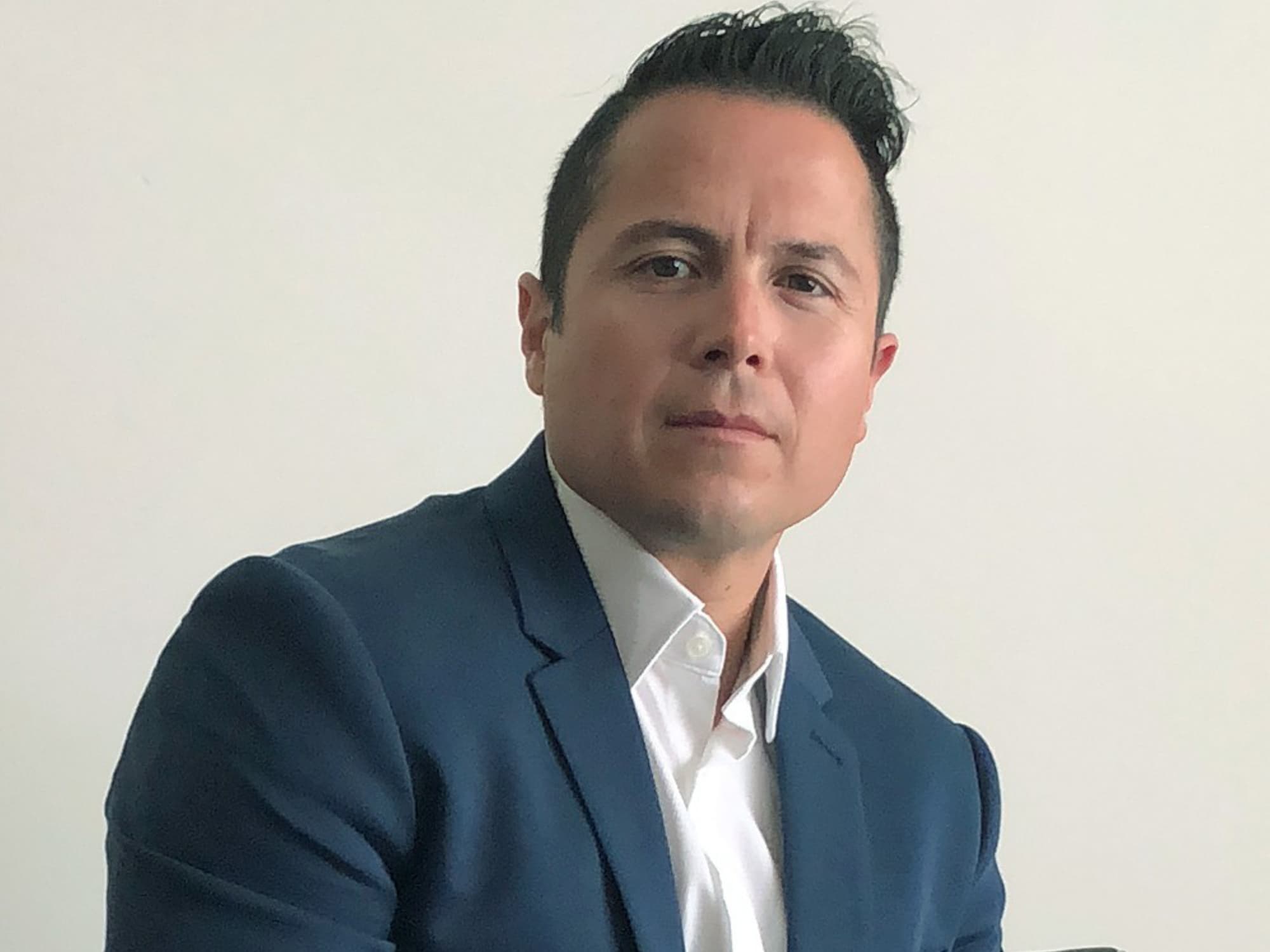
Michael Nakagawa, AKA DJ Naka G, discusses building a life by listening first.
Interview by Bryan Welker and Stefan le Roux | For The Aspen Times
Michael Nakagawa, better known as DJ Naka G, has helped shape the rhythm of Aspen. From school gyms and community fundraisers to X Games stages and Olympic venues, his career has unfolded quietly, consistently, and in lockstep with the town itself. What makes Nakagawa’s story compelling isn’t celebrity or spectacle—it’s longevity, service, and an instinctive ability to read the room, whether that room holds a handful of locals or a global audience.
Nakagawa’s path to becoming one of Aspen’s most trusted cultural fixtures began far from the mountains. It started with his family’s immigration from Mexico, and the sacrifices his parents made to build a life in a new place—sacrifices that shaped his deep appreciation for community, belonging, and opportunity.
In this conversation, he reflects on growing up in Aspen, leaving and returning, navigating the town’s rapid changes, and why—after 30 years behind the decks—he still feels nervous before every set.
Bryan: Let’s start with your Aspen story. How did you get here?
Michael:
I was born in Mexico, and when I was about four years old, my parents decided to move to the U.S. My mom was offered a job as a caretaker here in Aspen, on Starwood, for a family that had a second home. We moved into the caretaker unit. I remember flying to Southern California right before Halloween and being completely confused by everyone in costumes. Then a day or two later, we flew to Aspen. There was already snow on the ground—it was early November.
My mom enrolled in English classes, my dad worked at Taka Sushi, and my sister and I were put into preschool. There was no ESL [program] back then, so we just had to learn English fast. It was like being thrown into the deep end when you can’t swim—you either figure it out or you don’t.
Bryan: You had no choice but to swim.
Michael:
Exactly. We learned quickly. My sister and I went through Aspen Elementary, Middle School, and High School. We all graduated here. I’m the oldest, so I graduated in 1995 and left for Southern California to chase this idea of becoming a musician or DJ. Back then, the DJ scene in Aspen basically didn’t exist. DJs were just playing CDs and pushing play. There wasn’t really a culture behind it.
I was an MTV kid. I loved hip hop, club music, and I wanted more. So I moved to LA, saved up money, bought turntables, and started buying records. I’d go to clubs, raves—anywhere with music—and just watch other DJs. That was my DJ school.
Bryan: When did you come back?
Michael:
Around 1999. I brought my records, my turntables, and whatever skills I had picked up, and I started knocking on doors in town. There was more of a scene by then—at least a couple of DJs who were really DJing. I worked my way up from Monday and Tuesday nights to Thursdays, then Fridays, then Saturdays.
At the time, I was also working as a graphic designer at the Aspen Daily News, so DJing was a side hustle. But I kept plugging away. I had to adjust what I played—Aspen’s a resort town. You can’t just play hardcore hip hop all night. You have to play to your audience!
Bryan: Aspen’s a unique crowd.
Michael:
Totally. It’s not Vegas, not LA, not New York. We have après ski, international visitors, locals, and second homeowners. You have to develop your own formula. You have to read the crowd. Versatility became everything for me. I’ve always felt lucky that I grew up in a diverse household, because it made mixing different kinds of music feel natural.
I can play a quinceañera, a formal wedding, a bar mitzvah, a memorial, or a rock set at Belly Up. That versatility is what keeps you working here.
Bryan: You’ve had a front-row seat to Aspen for 25 years. How have things changed—especially pre- and post-COVID?
Michael:
To be totally honest? There’s more money. People are spending so much more on events and weddings now. I did a wedding in Carbondale recently and expected something pretty low-key. Instead, they had a lit-up dance floor, singers flown in from Mexico, a saxophonist from El Salvador—it was incredible.
I didn’t really think of myself as a “luxury” DJ until a few years ago, when I started seeing what people were spending just to run the gondola—almost $2,000 an hour. At some point, you realize the scale has shifted.
That said, I try to stay fair. I always work with locals. I give locals discounts. That’s important to me.
Bryan: What motivates you to keep it ‘fair’?
Michael:
Because that connection matters most. I did a fundraiser for the Basalt Education Foundation recently, and one guy came up to me afterward and said, “We haven’t danced like that since before we had kids.” That hit me hard.
If my work can do more than just play loud music—if it can help people reconnect, especially locals—that means everything to me. These are the people who live here year-round, who raise kids here, who volunteer, who keep this place going.
Bryan: I’ve always thought the responsibility of being a DJ is massive. You are in a position to make or break an event.
Michael:
Huge responsibility. I still get nervous. If I didn’t get nervous, I wouldn’t care. I get nervous before a 30-minute set at Belly Up. I say my prayers. Once I start playing, though, something clicks.
My real talent isn’t technical DJing—it’s reading the room. I’m always thinking two or three songs ahead. What’s the energy going to be like in 20 minutes? Are people ready to dance? Are we ahead or behind schedule? That’s where the job really is.
Bryan: I think a lot of people don’t appreciate the nuanced skills required to be a good DJ. Did your dad ever appreciate it fully?
Michael:
Yeah. God rest his soul. Every time I won an award—Best DJ, things like that—he clipped it from the paper and framed it. I remember walking into his office and seeing them on the wall. He’d say, “I’m proud of you, boy.”
For a man who immigrated to this country with small children, that pride meant everything. He worked incredibly hard, believed deeply in the American dream, and never took for granted what it meant to build a life here. When my aunt came from Brazil for his funeral, she told me how much he bragged about me.
Bryan: That’s the American Dream.
Michael:
It really is. My parents made sure we respected where we came from, but they also taught us that if you’re going to live somewhere, you have a responsibility to contribute—to make it home. That meant accepting that things were done differently, putting in the work, and understanding that we were guests until we weren’t—until we became citizens.
Bryan: Making it to America is one thing, but making it to Aspen is one in a million. How has the town shaped who you are?
Michael:
Aspen has always had my back. This town put my name out there, supported my work, and treated me like one of its own. I’m a son of this town, and I take that seriously. Even as things change, even as the community feels more fractured at times, when I hear people bashing the town in conversation, I feel a responsibility to speak up and stand up for it—because it’s always stood up for me.
Bryan: When did you first feel like, “Wow, I’ve made it”?
Michael:
There were a few moments. X Games was big. Vancouver 2010 was huge. But I think the biggest moment was when I got a call from NPR to do an interview—that’s when I realized this was bigger than I ever imagined.
Bryan: What advice would you give a young DJ—or young entrepreneur—reading this?
Michael:
Be patient. Build relationships. Do the lame gigs. Don’t expect it to happen overnight. Longevity only comes if you build trust. Versatility matters. And it’s not about your ego—it’s about the people in front of you. Play the right song at the right moment. And gratitude is a great attitude to have.
Bryan: You’re 48. What about the next 10 or 20 years?
Michael:
I’m going to do this until the wheels fall off. As long as I’m getting invited, I’ll keep saying yes. Health matters. Gratitude matters. Faith matters. I take the craft more seriously now than ever.
AI doesn’t scare me—it challenges me. AI can’t read a room. As long as that’s true, there’s a place for what I do.
Bryan: Aspen has always been a hard place to get to, and an even harder place to stay. Is it still worth it?
Michael:
Aspen is changing fast, but it’s still an amazing community. If you show up, do the right thing, and care about people, this place will take care of you. It always has for me.
Nearly three decades into his career, Michael Nakagawa remains a constant presence in the energy of Aspen—someone who has grown alongside the town, adapted as it has changed, and stayed grounded in service rather than spectacle. Whether soundtracking global stages or local fundraisers, Nakagawa’s work reflects a simple, enduring philosophy: show up prepared, read the room, and give people a reason to feel connected—to the music, to each other, and to the place they call home.
Bryan Welker lives and breathes business and marketing in the Roaring Fork Valley and beyond. He is President, Co-founder, and CRO of WDR Aspen, a boutique marketing agency that develops tailored marketing solutions. Who should we interview next? Reach out and let us know bryan@wdraspen.com