Lauree Simmons on scale, systems, and the work of saving animals at the edge
Interview by Bryan Welker and Stefan le Roux | For The Aspen Times
Before founding Big Dog Ranch Rescue, Lauree Simmons built her career in custom home construction and interior design.
A request to help with a dog rescue quickly exposed Lauree to a system operating beyond capacity. It was a moment that would ultimately redefine the direction of her work.
Bryan Welker sat down with Simmons to talk about how she came to rescue work, what is driving the crisis in shelters, and what it will take to change it.
Bryan: How did you first get into animal rescue?
Lauree: We bought a Weimaraner from a breeder, and I got involved in showing him. Through that, I met people in the breed community and was asked to help with rescue in South Florida.
I picked up my first one from Miami-Dade Animal Services, and it changed my life. I remember crying about all the other dogs I had to leave behind. That’s when it shifted from helping occasionally to taking responsibility for doing it properly.
Bryan: How did that turn into what you’ve built today?
Lauree: The existing Weimaraner rescue in South Florida wasn’t funded, and the conditions were unacceptable, so I took it over and built a small four-acre facility to properly house and care for the dogs. Then the 2008 recession hit. Shelters were euthanizing dogs on intake because people were losing their homes.
We went from about 50 dogs to 500 in two months. From there it kept growing — five acres, then 20 acres, now a 30-plus-acre facility. We’ve expanded into other states, and we’re continuing to build where the need is greatest.
Bryan: Why do so many animals end up in shelters?
Lauree: Lack of regulation, lack of access to spay and neuter, and the cost of care. Veterinary costs have gone up dramatically. What used to be a routine visit is now something many people can’t afford.
We take in dogs every week from people who love their animals but can’t pay for treatment. Sometimes it’s something simple, but the cost pushes them into an impossible decision.
At the same time, when sterilization isn’t accessible, populations grow quickly. That’s where you start to see shelters overwhelmed. Once they’re full, they have no options left.
Bryan: How do you define success for your work at this point?
Lauree: Success is impact. It’s education, legislation, and changing how people think about sheltering and animal welfare.
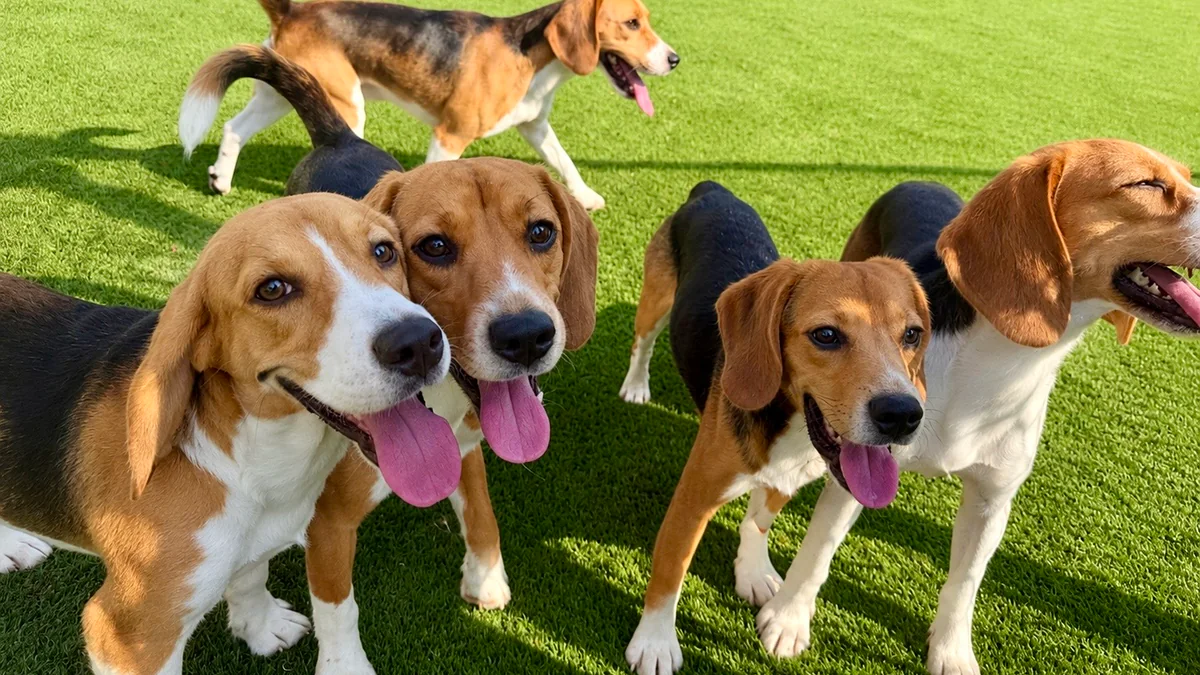
We built our facility differently. Dogs aren’t kept in small kennels. They live in shared, cage-free rooms with access to outdoor space. It’s designed to feel more like a home than a shelter because that better prepares them for adoption.
A lot of people said it wouldn’t work. But it does. And now other organizations are coming to learn from us. If we can change the standard of care, that’s success.
Bryan: You’ve designed your facilities very differently from traditional shelters. Why does that matter?
Lauree: Small kennels change a dog. You can take a good dog and, through confinement, turn it into something reactive or withdrawn. That makes adoption harder, not easier.
We built our spaces to feel more like a home. The dogs live together in larger, cage-free rooms with access to the outside. They socialize, they move, they settle. That prepares them for a real home.
It also changes how people experience the space. If it feels like a shelter, people don’t want to come. If it feels like a place where dogs are living well, they stay longer, they engage, and they’re more likely to adopt.
Bryan: What is the hardest part of the work?
Lauree: Saying no. When you’re full, you’re full. And you know that dog you’re looking at may not make it through the night.
Shelters are dealing with numbers most people don’t understand. If you have 50 kennels and 200 dogs coming in, decisions get made quickly. The people working there don’t want to be doing that. They’re there because they care.
Bryan: What needs to change?
Lauree: Access to low-cost or free spay-and-neuter services is critical. Education is critical. And enforcement matters, particularly when it comes to irresponsible breeding.
We’re also working on legislation around animal welfare and pushing for alternatives to practices like animal testing. There are better, more humane ways to do this now, and those changes are starting to happen.
Bryan: What do you need right now to keep growing this?
Lauree: We need people to invest in expansion, building facilities in the areas where the need is highest. We need people willing to advocate for policy change in their own communities.
And we need people involved at any level. That could be donating, fostering, adopting, or simply supporting local shelters. Everybody can do something.
If enough people engage, this is a solvable problem.
In a system defined by constraint—space, funding, capacity—Lauree Simmons’s instinct is to keep pushing those limits outward. Not in pursuit of growth for its own sake, but to create the ability to say yes one more time. And the hope that one day, every pet will have a loving home.
Bryan Welker lives and breathes business and marketing in the Roaring Fork Valley and beyond. He is President, Co-founder, and CRO of WDR Aspen, a boutique marketing agency that develops tailored marketing solutions. Who should we interview next? Reach out and let us know bryan@wdraspen.com