Scott Vold on organic growth and learning what it takes to survive, adapt, and stay in control in a town that doesn’t forgive complacency.
Interview by Bryan Welker and Stefan le Roux | For The Aspen Times
Scott Vold didn’t set out to build something big—he just kept showing up and figuring it out. What started as hands-on work in the mid-’90s has evolved into a business spanning auto glass, racks, and camper van upfitting. In Aspen, that kind of longevity is earned through constant adjustment and staying close to the work.
Bryan: Tell us your Aspen origin story.
Scott: I moved here in October ‘92 with a degree in Actuarial Science and had a connection with a family in Aspen—they let me stay with them and helped me get started.
Bryan: What was your first job in town?
Scott: I worked at the Chart House as a salad bar attendant and was also a bellman at the Hotel Lenado. It was a good time with great people. Lots of skiing.
Bryan: How did you get from there to owning Cracks & Racks?
Scott: I was doing off-season work for Charles at Downtown Detail in the fall of ‘95 and learned about windshield repair. In January 1996, I launched Fas-Break Windshield Repair, specializing in rock chip repair. The next year, we began replacing windshields and leased a space in the AABC, which we still occupy today.
Bryan: What’s one of the biggest lessons you’ve learned?
Scott: You can’t take your foot off the gas in the sense that you can’t coast. It takes a ton of grit and determination to stay consistent.
Bryan: Is Aspen different in that way?
Scott: Not entirely—but it can be unforgiving. It’s a small town where expectations are high, and trust is everything. You have to earn it and keep it.
Bryan: Have you seen changes in your customer base since COVID?
Scott: COVID definitely brought a wave of new people into the valley looking for ways to get outside. We saw a big jump in demand for racks and overland-style upgrades. Today, we’ve become the go-to shop in the valley for lifestyle vehicle upgrades that make it easier for people to get outside.
Bryan: Everybody I talk to seems to struggle with staffing. How have you handled that?
Scott: I’ve been fortunate to attract and retain good people, but it comes down to culture, fair pay, and interesting work. You’ve got to treat people with respect and give them a place where they feel invested in the business.
Bryan: How would you describe the business today?
Scott: On the surface, we repair and replace windshields, and we sell and install racks. But really, we help people get more out of their vehicles. Everything we offer is built around how our customers actually use their cars.
If someone’s into skiing, biking, camping, or getting deeper into the backcountry, we’re thinking through how to make that easier, safer, and more reliable for them. That might mean a rack system, a cargo box, better lighting, or just making sure their windshield is solid before a long trip.
So today, we’re less of a transaction-based shop and more of a solutions provider. People come to us with an idea of what they want to do, and we help them figure out the right setup to make it happen.
Bryan: What’s been challenging lately?
Scott: Rising costs across the board and changing margins. You have to produce enough volume and adapt. Technology is evolving quickly, so training and staying current are critical.
Bryan: How do you think about AI in your business?
Scott: AI has been very useful in data aggregation and researching product applications and specifications, but our business still depends on human interaction. That’s important to us, especially in a small town.
Bryan: What do you enjoy most about the work now?
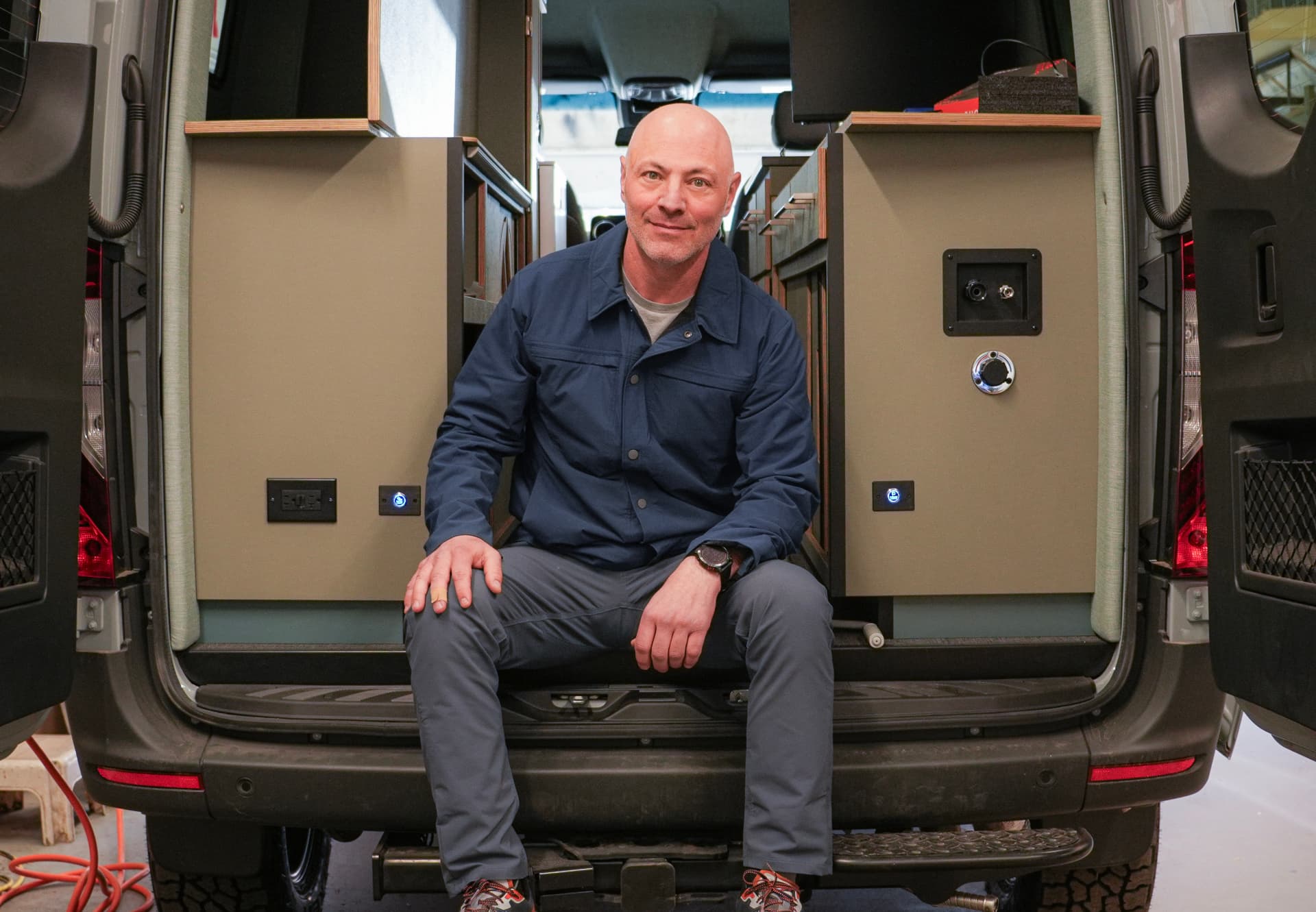
Scott: Solving clients’ problems and collaborating with my team. At the moment, I’m focused on White River Overland, our overland vehicle upfitting brand. It’s collaborative, creative, and really challenging.
Bryan: It took a while for White River Overland to find its stride. What did you learn from that process?
Scott: We started in 2017 and gained some word-of-mouth momentum. When the pandemic hit, demand skyrocketed, and we couldn’t keep up. We grew slowly and built this brand around providing high-quality work and catering to people’s real-life recreation needs, so people know that when they come to us, they get honest, functional solutions that solve real problems.
Bryan: How did your role change as the business grew—and what was hardest about that shift?
Scott: At some point, the business just becomes bigger than you. You can’t be everywhere and do everything. I love being on the front lines, but I was spread too thin, and it took a toll. I think the biggest shift was focusing on building a team and becoming a better leader.
Bryan: What advice would you give someone moving to Aspen today?
Scott: Work hard, stay humble, and be your best at whatever you’re doing. At the same time, get outdoors, explore, and never take this place for granted.
After more than 30 years in the valley, Vold doesn’t frame his success as anything extraordinary. It’s the result of showing up, adapting, and staying in control in a place that doesn’t offer much margin for error.
Bryan Welker lives and breathes business and marketing in the Roaring Fork Valley and beyond. He is President, Co-founder, and CRO of* WDR Aspen*, a boutique marketing agency that develops tailored marketing solutions. Who should we interview next? Reach out and let us know bryan@wdraspen.com